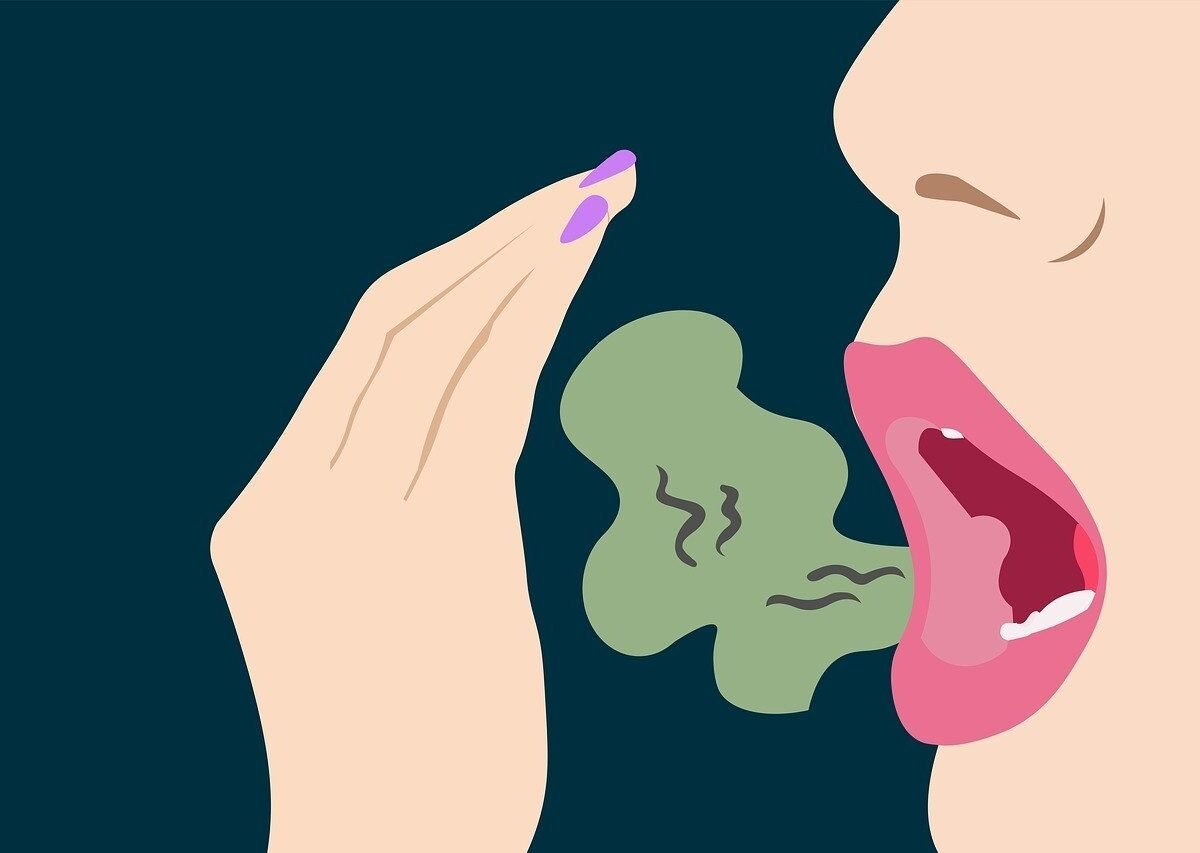
Bad breath is common, treatable, and almost always caused by something in the mouth rather than the stomach. Identifying which cause applies to you is straightforward once you know what to look for.
Where it actually comes from
The odour is produced by bacteria breaking down protein and releasing volatile sulphur compounds. The question is where those bacteria are living.
The tongue — the most common source
The rough surface at the back of the tongue traps bacteria, food debris and dead cells. A large share of persistent bad breath originates here, and most people never clean it.
Gum disease
Bacteria in periodontal pockets produce exactly these compounds. If you have bad breath together with bleeding gums, this is very likely your cause. See gum disease treatment.
Food trapped between teeth
Debris sitting in a contact point ferments. If you notice a bad smell from one specific spot, look there.
Tooth decay and abscesses
A deep cavity harbours bacteria; a draining abscess produces a distinctly foul taste and smell.
Dry mouth
Saliva continuously washes bacteria away. Reduced flow — from medication, dehydration or mouth breathing — allows them to accumulate. This is why breath is worst on waking: saliva flow drops overnight. See dry mouth.
Tobacco and paan
Both leave their own odour and cause gum disease and dry mouth on top of it.
Unclean dentures
Acrylic harbours bacteria and fungus if not cleaned daily and left out overnight.
Non-oral causes — the minority
Around a tenth of cases originate elsewhere: sinus and tonsil infections, tonsil stones, acid reflux, uncontrolled diabetes (a sweet, acetone-like smell), and some liver and kidney conditions. Certain foods — garlic, onion — are absorbed and exhaled from the lungs, which is why brushing does not remove them.
The point worth taking: if your mouth is genuinely healthy and clean and the problem persists, that is when to investigate medically. Not before.
How to tell if you have it
You cannot smell your own breath reliably — you are habituated to it. Two rough tests: lick the back of your wrist, let it dry for ten seconds and smell it; or scrape the back of your tongue with a spoon and smell the residue.
Or simply ask someone you trust.
What to do
- Clean your tongue daily. A scraper or a brush, from as far back as you can comfortably reach, forward. This alone resolves many cases
- Clean between your teeth every day. Brushing alone leaves a third of each tooth untouched
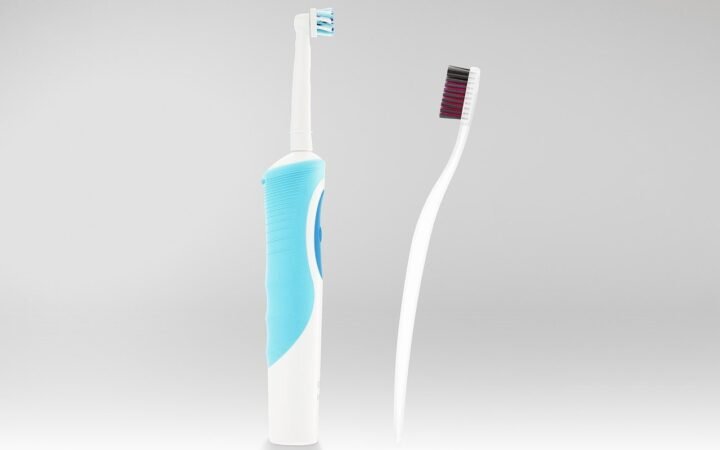
- Brush twice for two minutes, including the gum line
- Stay hydrated. Sip water through the day; sugar-free gum stimulates saliva
- Treat the underlying problem. Scaling for gum disease, fillings for decay
- Clean dentures daily and leave them out overnight
- Stop tobacco and paan
What does not work
- Mouthwash alone — masks the smell for an hour. Alcohol-based rinses dry the mouth and can make it worse
- Mints and chewing gum with sugar — temporary cover, plus decay risk
- Brushing harder — damages gums, does not reach the source
If you have bad breath along with bleeding gums, book a check-up and scaling — that combination usually has one cause and one solution. Call 8359017239.