Dry mouth sounds like a minor irritation. It is not. Saliva is your mouth’s primary defence system, and without enough of it decay accelerates dramatically — patients with severe dry mouth can develop cavities within months.
What saliva actually does
- Neutralises acid produced by bacteria after every meal
- Delivers calcium and phosphate back into enamel, repairing early damage before it becomes a cavity
- Washes away food debris and bacteria
- Contains antibacterial proteins
- Lubricates for speech, chewing and swallowing
- Carries taste — dissolved molecules are what taste buds detect
Remove it and every one of those protections goes.
Common causes
Medication — by far the most common
Hundreds of drugs reduce saliva flow: blood pressure medications, antidepressants, antihistamines, diuretics, some pain medications, and many others. The effect compounds when several are taken together, which is why it is so common in older patients.
Do not stop any prescribed medication. Tell us what you take and we manage around it.
Dehydration
Simple and often overlooked, particularly in hot weather and among older people whose thirst sensation is reduced.
Mouth breathing
From blocked nasal passages, allergies or enlarged adenoids. Often worst overnight — waking with a parched mouth is the classic sign. Common in children.
Medical conditions
Uncontrolled diabetes, Sjögren’s syndrome, thyroid disorders, and some neurological conditions.
Cancer treatment
Radiotherapy to the head and neck can damage the salivary glands, sometimes permanently. These patients need intensive preventive dental care.
Tobacco, alcohol and caffeine
All reduce flow or increase fluid loss. Alcohol-containing mouthwashes make dry mouth worse, not better.
Symptoms
- A persistently sticky, dry feeling
- Difficulty swallowing dry food without water
- Thick, stringy saliva
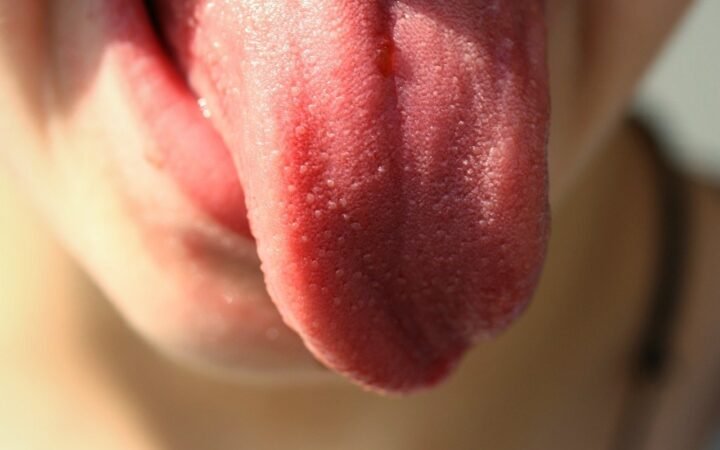
- A burning or sore tongue
- Cracked lips and cracks at the corners of the mouth
- Changed sense of taste
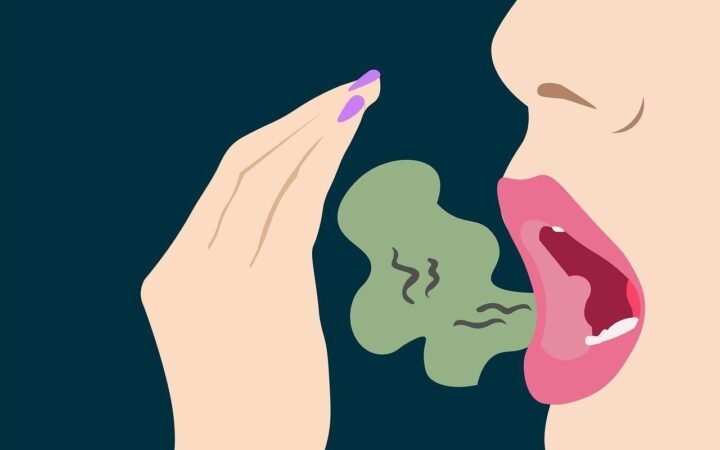
- Bad breath
- Dentures that no longer stay in place
- Rapid new decay, particularly at the gum line
Why the decay pattern is distinctive
Dry mouth decay tends to appear at the necks of the teeth right at the gum line, and on root surfaces — areas normally bathed in saliva. It progresses quickly and often affects several teeth at once. Seeing this pattern usually tells us the cause before the patient mentions it.
Management
Daily
- Sip water constantly. Keep a bottle within reach
- Sugar-free chewing gum or sugar-free lozenges stimulate flow — xylitol-based products are ideal
- Avoid caffeine, alcohol and tobacco
- Use an alcohol-free mouthwash
- A humidifier in the bedroom, if you wake dry
- Saliva substitute gels and sprays are available from pharmacies for severe cases
Dental protection
- High-fluoride toothpaste, which we can prescribe — this is the single most important protection
- Check-ups every three to four months rather than six
- Fluoride varnish applications
- Meticulous cleaning between the teeth
- Strictly limit sugary drinks and snacks — with no saliva, there is no recovery between acid attacks
Medical
Ask your doctor whether an alternative medication with less drying effect exists. Never change it yourself.
If your mouth is persistently dry, tell us — it changes how often you should be seen and what toothpaste you should be using. Call 8359017239. Related: how tooth decay develops.