The tongue is one of the few internal surfaces you can inspect yourself in a mirror, and it does reflect certain aspects of general health. It is worth knowing which changes are harmless, which suggest a deficiency, and which need seeing promptly.
What a healthy tongue looks like
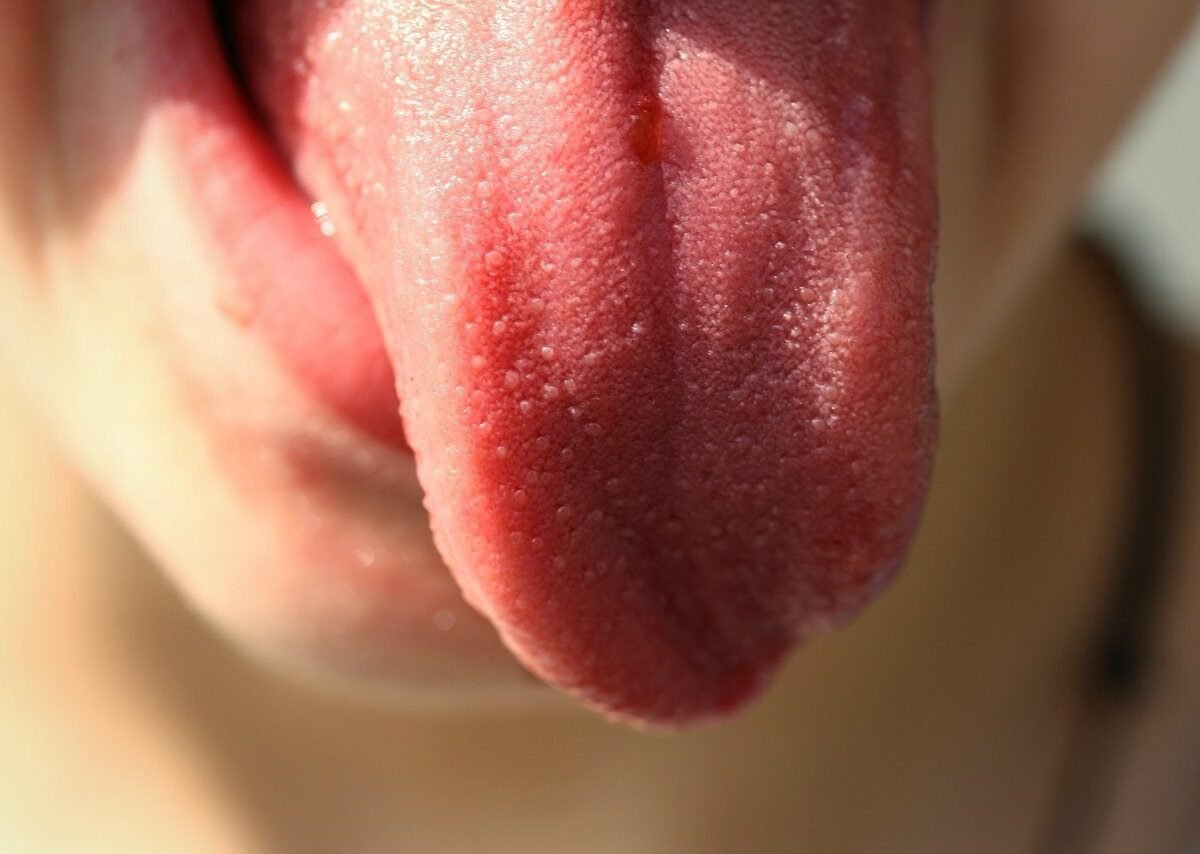
Pink, moist, with a thin, even coating and small bumps (papillae) across the surface. Some coating is normal, particularly on waking.
Changes that usually mean something simple
Thick white coating
Usually accumulated debris, bacteria and dead cells — most often from inadequate tongue cleaning, dehydration or mouth breathing. A tongue scraper resolves it within days.
If it does not scrape off, or leaves a raw red surface underneath, that is different — see oral thrush below.
Brown or black hairy tongue
Alarming to look at and harmless. The papillae elongate and trap pigment from tobacco, coffee, tea or certain mouthwashes. Gentle scraping and stopping the cause clears it.
Geographic tongue
Smooth red patches with pale borders that migrate over days or weeks, creating a map-like pattern. Benign and often lifelong. It can be mildly sensitive to spicy or acidic food. No treatment needed.
Fissured tongue
Deep grooves across the surface. Usually harmless and often present from birth. Brush the tongue gently to keep debris out of the grooves.
Changes worth investigating
Smooth, glossy red tongue
Loss of the normal papillae, leaving a shiny surface, often with burning. This can indicate deficiency of iron, vitamin B12 or folate. It is common enough in India to be worth a blood test rather than a guess.
Pale tongue
Can accompany anaemia, particularly with fatigue and breathlessness.
Burning sensation without visible change
Burning mouth syndrome. Causes include deficiency, dry mouth, diabetes, thrush, or hormonal change. Worth investigating rather than enduring.
Oral thrush
Creamy white patches that do not scrape off easily, leaving a raw red surface if forced. Common after antibiotics, with inhaled steroids for asthma, in denture wearers, in uncontrolled diabetes, and where immunity is reduced.
Treatable with antifungal medication — but recurrent thrush in an otherwise healthy adult warrants checking blood sugar.
See a dentist promptly for
- An ulcer that has not healed in three weeks
- A red or white patch that will not rub off and persists
- A lump or thickening in the tongue, cheek or neck
- Persistent numbness of the tongue or lip
- Unexplained bleeding from a patch
- Difficulty or pain on swallowing, or persistent hoarseness
- Any change in a longstanding patch
These can indicate oral cancer, and the underside and sides of the tongue are among the most common sites. Tobacco in any form and alcohol are the major risk factors; combined they multiply rather than add.
Early detection changes outcomes enormously. A three-week ulcer is worth one appointment. See tobacco and oral health.
Caring for your tongue
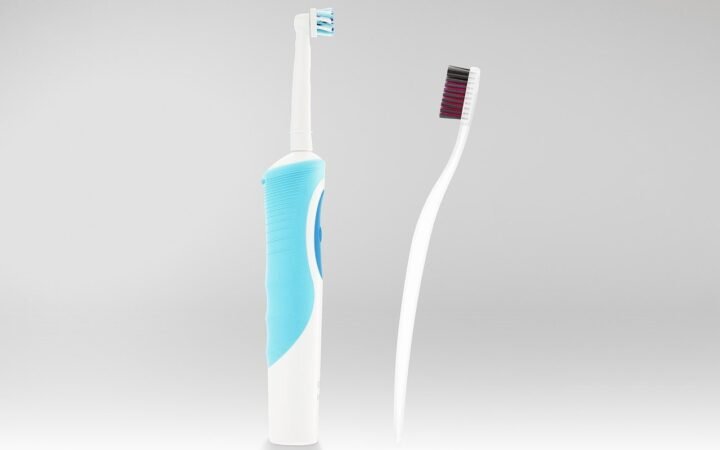
- Scrape or brush it once daily, from as far back as comfortable, forward
- Rinse the scraper between strokes
- Do not press hard — you are removing a film, not scrubbing
- Stay hydrated
- Check it in the mirror occasionally, including the sides and underneath
Cleaning it also makes a substantial difference to bad breath.
We check soft tissues at every routine examination. Book on 8359017239.