Almost every dental problem — decay, gum disease, bad breath, tooth loss — traces back to plaque left where it should not be. Good oral hygiene is not complicated, but a surprising number of people do it in ways that leave a third of each tooth untouched.
Brushing properly
Twice a day, two full minutes. Most people brush for around 45 seconds and are certain it was longer. Time it once and you will see.
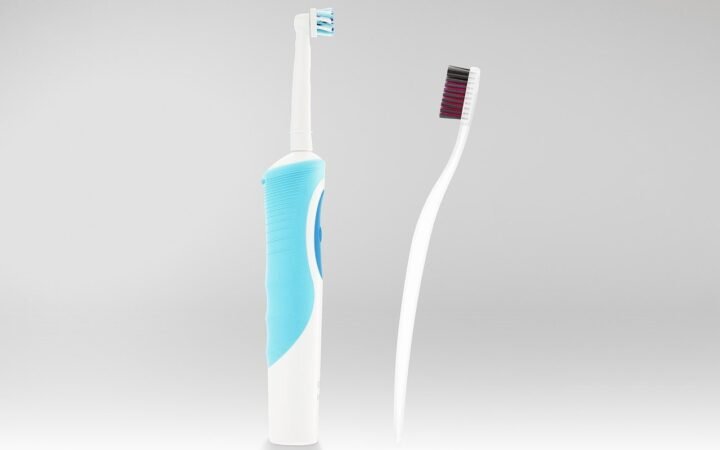
- Soft bristles. Never medium or hard. Hard bristles do not clean better — they wear grooves into the roots and push gums back permanently
- Angle at 45 degrees into the gum line, not flat against the tooth. That junction between tooth and gum is where gum disease begins, and it is what most people miss
- Small circular movements, a couple of teeth at a time. Not vigorous sawing
- Light pressure. If your bristles splay within a month, you are pressing too hard
- Cover all three surfaces — outer, inner, chewing. The inner surfaces of the lower front teeth are the most commonly neglected spot in the mouth
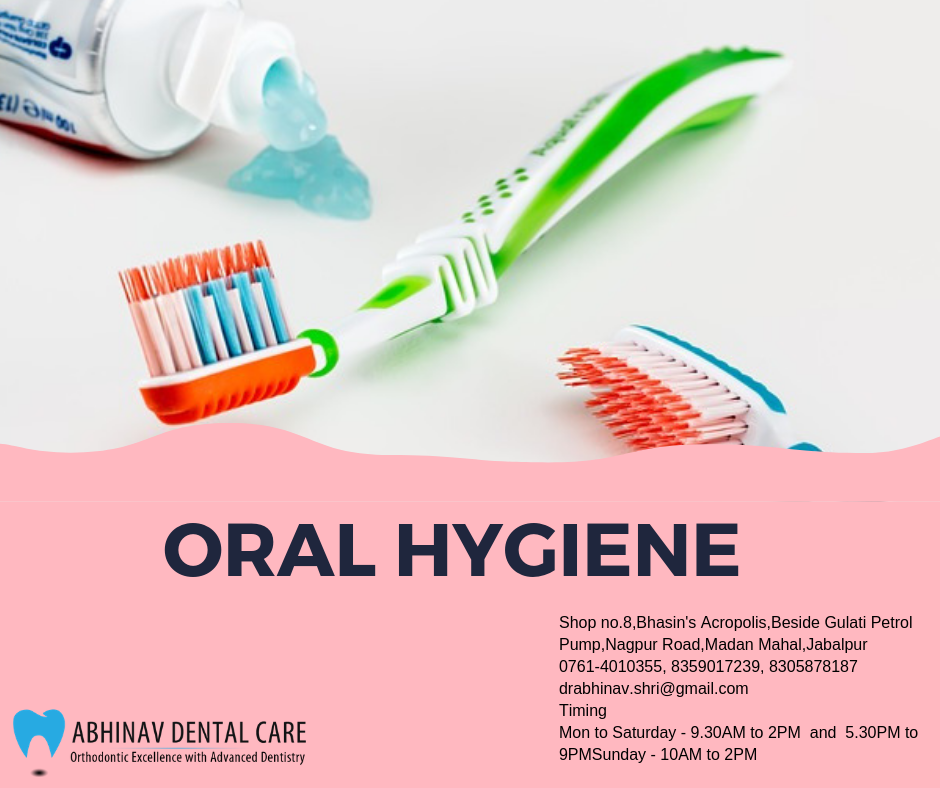
- Fluoride toothpaste, always
- Spit, do not rinse. Rinsing with water straight after brushing washes away the fluoride before it can work. This one change costs nothing and genuinely reduces decay
Cleaning between the teeth
A toothbrush physically cannot reach the surfaces where teeth touch — about a third of each tooth. That is precisely where a large share of cavities and gum disease start.
- Interdental brushes are more effective than floss where the gaps allow. We can advise on the right size
- Floss where gaps are tight. Curve it around each tooth in a C shape and slide it under the gum edge — do not just snap it up and down
- Once a day is enough. Consistency matters far more than frequency
If your gums bleed when you start, that is inflammation from plaque already present. Keep going gently — bleeding stops within a week or two. Do not take it as a reason to stop.
Your tongue
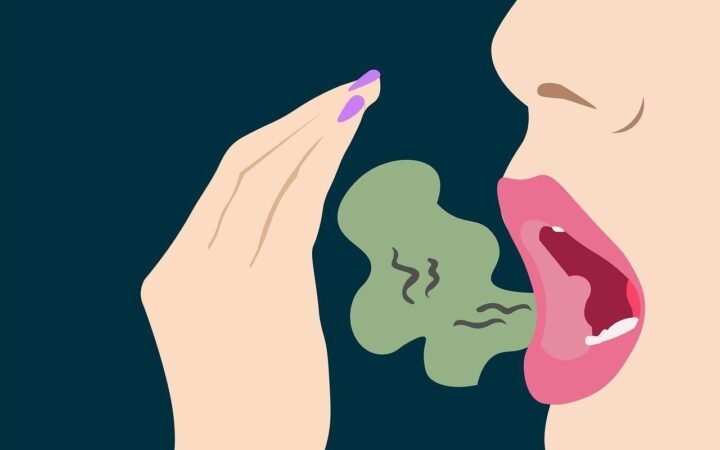
The back of the tongue harbours a substantial share of the bacteria in your mouth and is the leading source of bad breath. Scrape or brush it from as far back as comfortable, forward, once daily.
Mouthwash — optional
An extra, never a substitute. Use it at a different time from brushing, so it does not wash away the fluoride you just applied. Choose alcohol-free, particularly if you have a dry mouth.
Diet
The critical point is frequency, not quantity. Each time you eat something sugary, acid attacks the enamel for around 20 to 30 minutes. A chocolate eaten in five minutes causes one attack. The same chocolate nibbled across an afternoon causes many, with no recovery time between.
- Keep sugar to mealtimes rather than grazing
- Water between meals, not sweet drinks
- Sugar-free gum after meals stimulates saliva, which neutralises acid
- Do not brush immediately after anything acidic — wait 30 minutes, or you brush softened enamel away
Professional care
- Check-up and scaling every six months, or every three to four months if you have had gum disease
- X-rays when clinically indicated, to find decay between teeth
- Replace your toothbrush every three months
The short version
Two minutes twice a day with a soft brush angled into the gums, clean between the teeth once daily, spit rather than rinse, keep sugar to mealtimes, and see a dentist twice a year. That prevents the overwhelming majority of what we treat.
Book a check-up and scaling on 8359017239.