A small cavity does not hurt, so it is easy to postpone. The problem is that decay does not pause while you wait — and the treatment escalates at every stage, both in complexity and cost.
Decay does not stop on its own
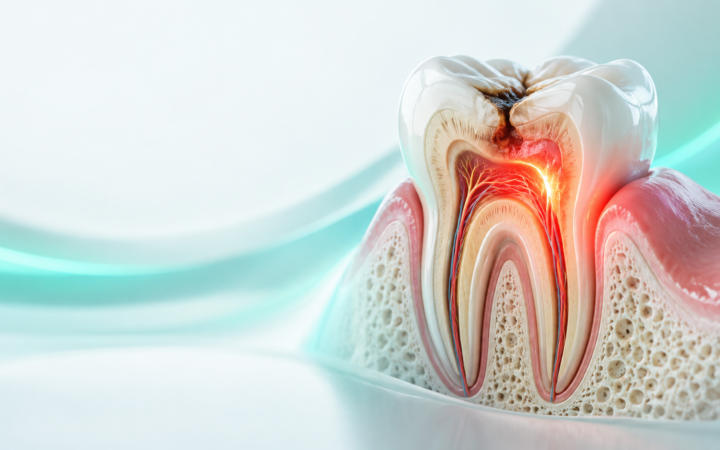
Once the enamel surface has broken down, bacteria are inside the tooth. Below the enamel is dentine, which is considerably softer and decays faster. The cavity widens beneath a small surface opening, which is why a hole that looks tiny is often much larger underneath.
The only stage that reverses on its own is the earliest — a chalky white spot where minerals have leached out but the surface is still intact. Fluoride and better cleaning can remineralise that. Once the surface collapses, it needs restoring.
The escalation
- Early enamel decay → fluoride and cleaning. No drilling
- Into dentine → a simple filling, fifteen minutes
- Approaching the pulp → a deep filling, often a crown
- Into the pulp → root canal plus a crown
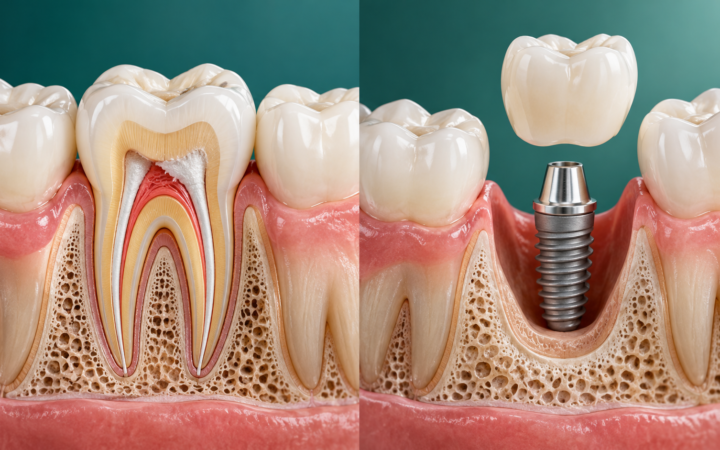
- Abscess → root canal, or extraction and then an implant or bridge
Each step costs several times the one before and takes more of your time. A filling deferred for a year routinely becomes a root canal and crown.
What a filling does
The decayed tissue is removed, the cavity cleaned, and the space restored with a material bonded to the tooth. This seals bacteria out and rebuilds the shape so the tooth chews properly and does not trap food.
It also stops the cavity spreading to the tooth next door — decay does transfer across contact points.
Materials
Composite — tooth-coloured resin that bonds chemically to the tooth. Requires less healthy structure to be removed than older materials, and is used for most fillings today.
Glass ionomer — releases fluoride, useful for root-surface cavities and in children.
Amalgam — the silver material. Very durable, but requires more tooth removal for retention and is used far less now.
For large cavities where too little tooth remains to support a filling, an inlay, onlay or crown is the correct restoration. Putting a very large filling into a weakened tooth invites a fracture.
What the appointment is like
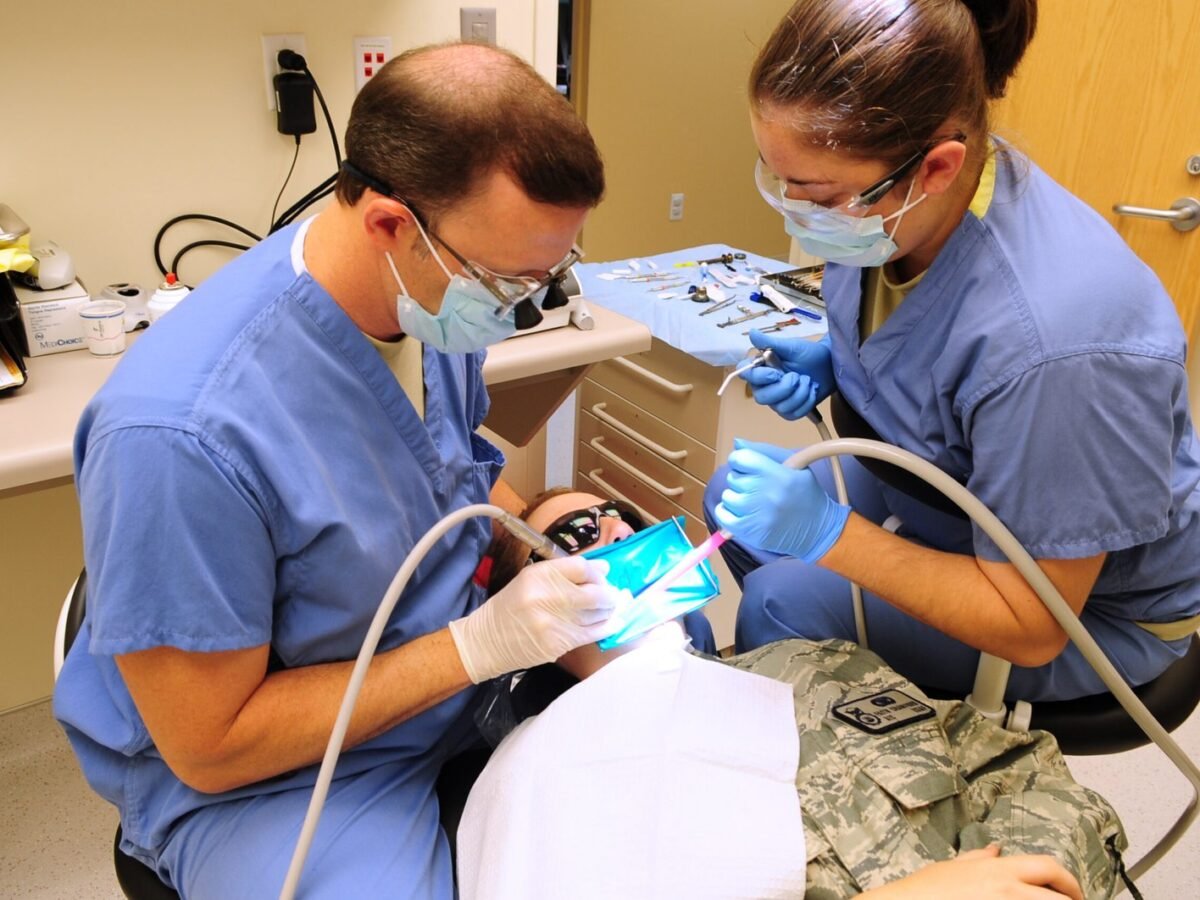
Local anaesthesia if the cavity is deep; a shallow one often needs none. The decay is removed, the cavity cleaned and conditioned, the composite placed in layers and set with a light, then shaped and polished and the bite checked.
Fifteen to thirty minutes for a single filling. You can eat immediately with composite — it is fully set before you leave.
Afterwards
Mild cold sensitivity for a week or two is normal, particularly with a deep filling. It settles.
Come back if the bite feels high — if that tooth hits first when you close. It is a two-minute adjustment, and leaving it causes soreness and can crack the filling or the tooth.
Sharp pain persisting for weeks, or pain that lingers after hot and cold, may mean the pulp was more inflamed than it appeared. Tell us.
Fillings are not permanent
They last years, not forever. What ends them is decay starting again at the margin where filling meets tooth, and fracture in people who grind.
Keep cleaning the margins carefully — a filled tooth can still decay around the edge. Six-monthly check-ups catch that early.
The signs you should not wait on
- Twinges with sweet, cold or hot
- Food packing in one specific spot
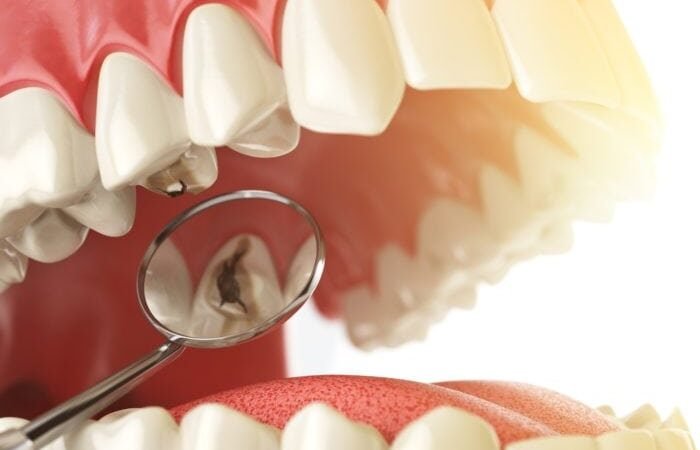
- A visible hole, dark spot or rough edge
- Pain on biting
More detail in the five symptoms of a cavity.
Book a check-up on 8359017239 — the cheapest cavity is the one still small enough to fill.