Dental problems in later life have different causes from those in youth, and the standard advice does not always fit. Medication, receding gums and reduced dexterity change what needs attention.
Dry mouth — the biggest issue
Hundreds of common medications reduce saliva flow: blood pressure drugs, antidepressants, diuretics, antihistamines and many more. Several taken together compound the effect.
Saliva neutralises acid, washes away debris and delivers minerals that repair early enamel damage. Without enough of it, decay accelerates sharply — sometimes several new cavities within a year in someone who had none for decades.
What to do: sip water constantly, sugar-free gum or lozenges to stimulate flow, alcohol-free mouthwash, a humidifier at night, and saliva substitute gels for severe cases. Ask us about high-fluoride toothpaste. Do not stop prescribed medication — tell us what you take and we manage around it. See dry mouth.
Root decay
As gums recede, root surface is exposed. Root surface has no enamel — it is cementum and dentine, both far softer — so it decays faster and at lower acid levels than the crown of the tooth.
This is why an older patient with a lifetime of good teeth can suddenly develop cavities at the gum line. High-fluoride toothpaste and meticulous cleaning of that area are the defence.
Gum disease and bone loss
Decades of accumulated damage show up in later life as receding gums, loose teeth and shifting bites. It progresses painlessly. Diabetes, common in this age group, worsens it in both directions. See gum treatment.
Worn and cracked teeth
Sixty or seventy years of chewing flattens teeth, and old large fillings weaken the walls around them. Cracks appear, often presenting as sharp pain on biting that comes and goes. A crown usually saves the tooth if caught before it splits.
Denture problems
Bone under a denture resorbs continuously because no tooth root is loading it. A denture that fitted perfectly ten years ago will be loose now.
A loose denture is not harmless — it accelerates bone loss, causes ulcers, and long-term irritation of the tissue. Expect a reline every few years and replacement at around five to seven. See dentures compared.
Leave dentures out overnight. Wearing them 24 hours a day is the main cause of denture stomatitis, a fungal inflammation of the palate.
Reduced dexterity
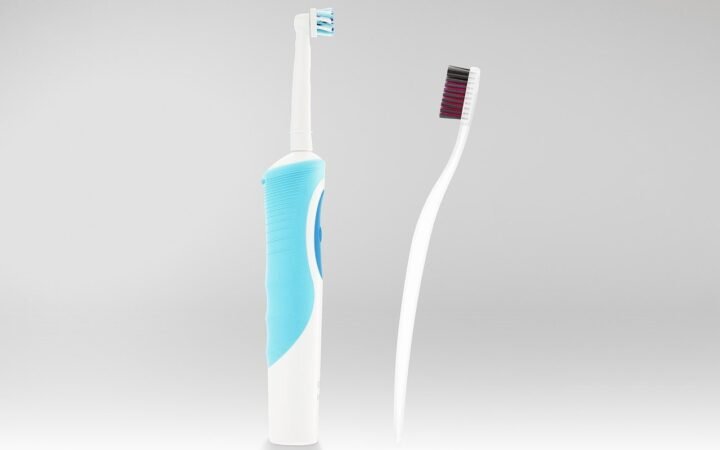
Arthritis, tremor or stroke recovery make brushing harder. Practical fixes:
- An electric toothbrush — this is where they genuinely help most
- Build up a manual brush handle with a bicycle grip or foam tube
- Interdental brushes with long handles, easier than floss
- A floss holder
Oral cancer screening
Risk rises with age, and with tobacco and alcohol use. We check soft tissues at every routine examination. See a dentist promptly for any ulcer not healed in three weeks, any red or white patch that will not rub off, a lump, persistent numbness, or difficulty swallowing.
This applies even if you have no teeth at all. Patients with full dentures often stop attending, and they are precisely the group where oral cancer is most likely to go undetected.
Practical routine
- Brush twice daily with high-fluoride toothpaste if we have prescribed it. Spit, do not rinse
- Clean between the teeth daily with interdental brushes
- Sip water through the day
- Clean dentures daily with a denture brush and mild soap, never regular toothpaste
- Check-ups every six months, or three to four months with dry mouth or gum disease
- Attend even with no natural teeth — for the soft tissue check and denture fit
- Tell us about every medication and any change to it
Appointments at Madan Mahal, ground floor with parking directly outside. Call 8359017239.